Home » Industry & Applications » Glass Manufacturing (Flat, Container & Fibre)

Glass Manufacturing (Flat, Container & Fibre)

CD Automation supplies SCR/thyristor power control for glass melting, conditioning, forming and finishing -from electric boosting and forehearths to tin baths, annealing lehrs, tempering furnaces and fibre bushings. REVO controllers help stabilise temperature profiles, support higher pull or throughput and provide useful diagnostics and energy data to plant control systems.

With REVO C for single zones, REVO-PN for compact multi-zone equipment, and REVO-PC, or REVO-DPU zone control for larger lines and high-power systems, we integrate with PLC, SCADA and DCS platforms used by OEMs, integrators and end users in flat, container and fibre glass production.

  • Furnace Boosting
  • Forehearths & Feeders
  • Tin Baths / Float Lines
  • Annealing Lehrs
  • Tempering Furnaces
  • Fibre Bushings

Industry Overview – Electric Heating in Glass Manufacturing

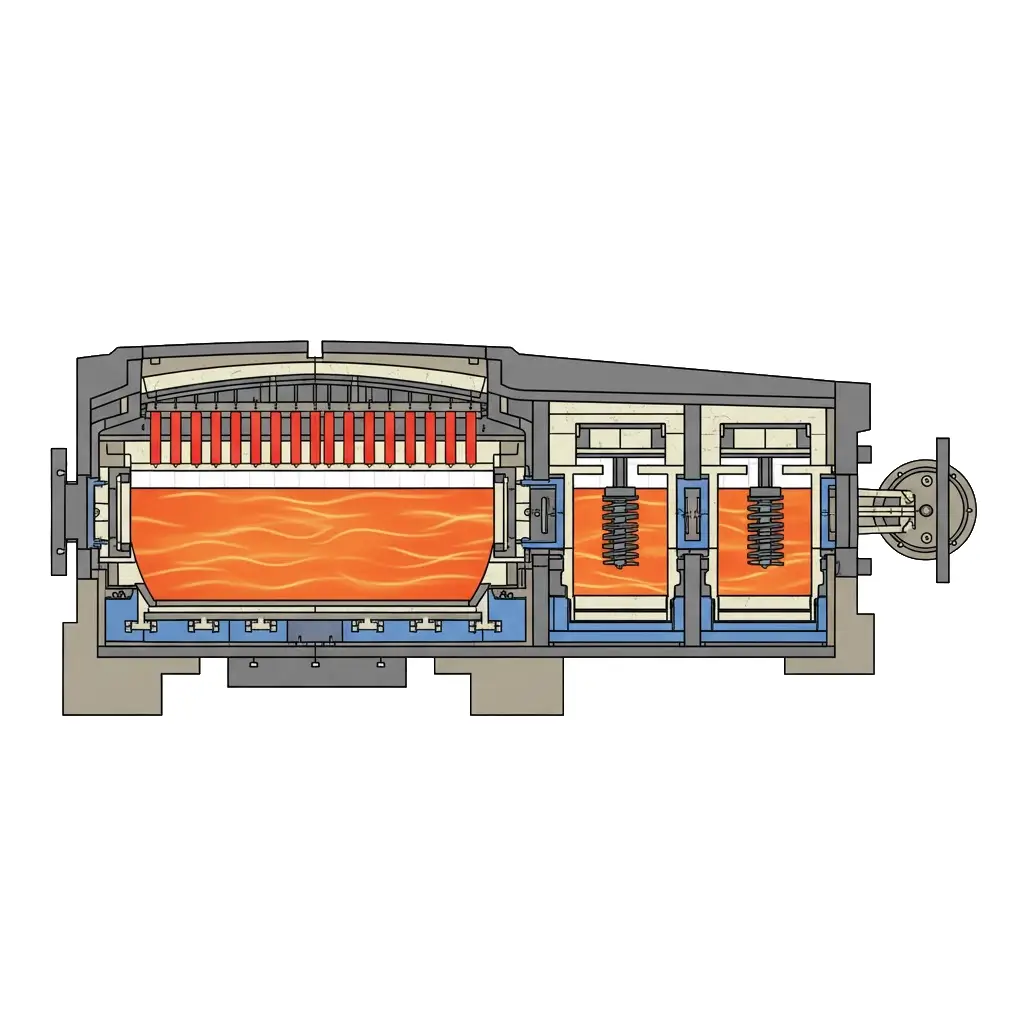
Flat, container and fibre glass operations use electric heating across melting, conditioning, forming and finishing stages. Electric boosting supports furnace output and stability, forehearths condition glass temperature and viscosity, tin baths and lehrs shape flat glass quality, and tempering or coating lines define final performance. Intelligent SCR power control can improve temperature and power stability, help manage electrical demand and provide data for process optimisation and maintenance.
  • Furnace Boosting
  • Forehearths & Feeders
  • Tin Baths / Float Lines
  • Annealing Lehrs
  • Tempering Furnaces
  • Fibre Bushings

Process Machinery & Applications

Electrically heated glass equipment commonly controlled with REVO SCR power controllers.

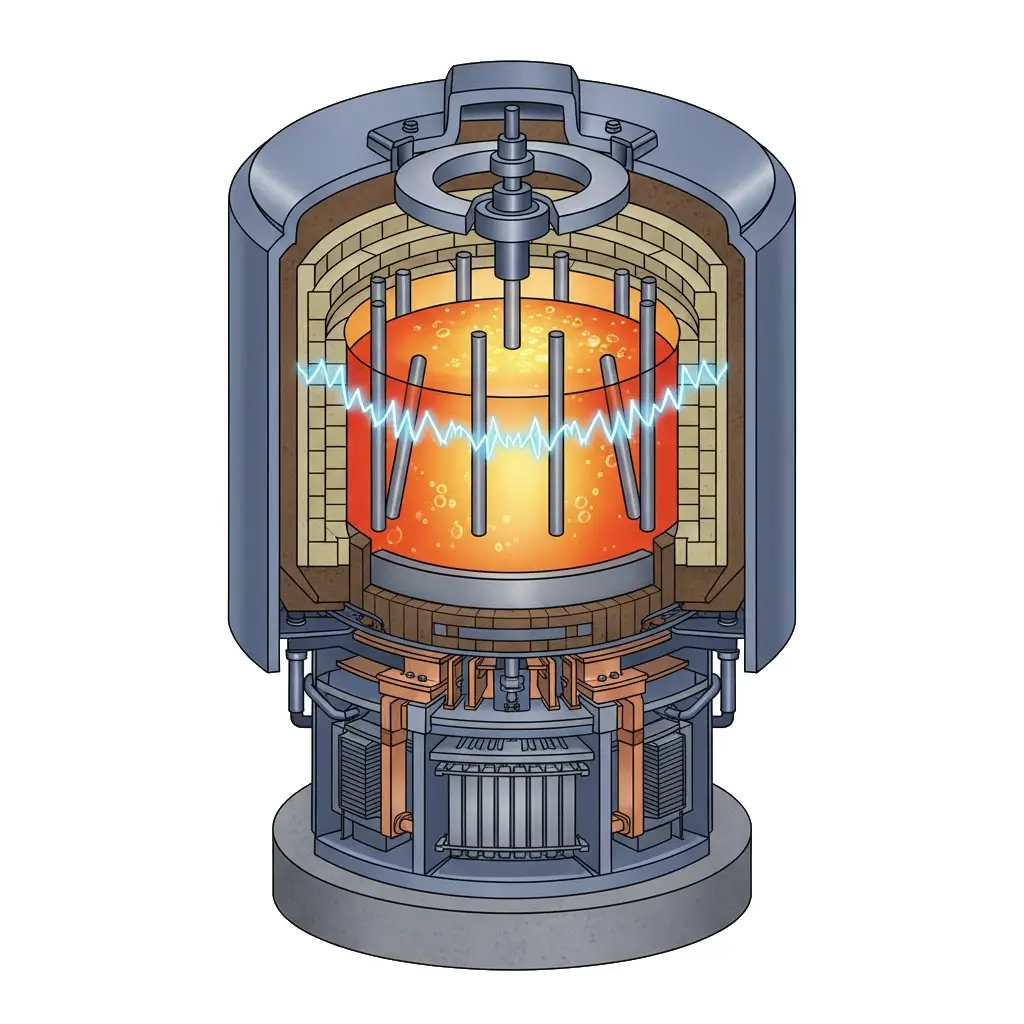
Furnace Electric Boosting

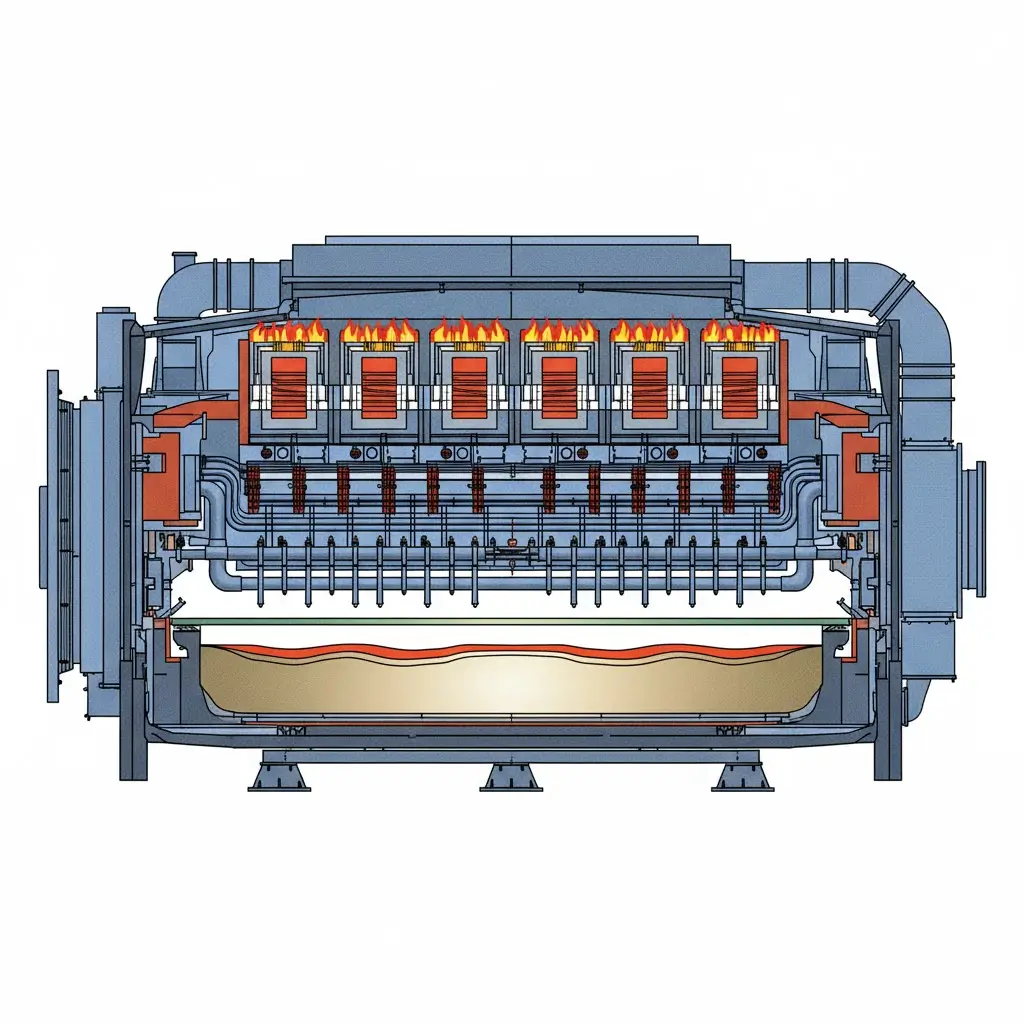
Electrode-based electric boosting in glass melting furnaces to increase pull, improve temperature uniformity and support lower fuel usage.
Common pain points:
  • power quality
  • electrode life
  • temperature uniformity
Recommended controllers:
Furnace Electric Boosting

Forehearth & Feeder Channels

Multi-zone forehearths and feeders controlling glass temperature and viscosity ahead of IS machines and flat glass lines.
Common pain points:
  • gob temperature stability
  • zone balance
  • recipe changes
Recommended controllers:
Forehearth & Feeder Channels

Glass Fibre Bushings

Electrically heated platinum bushings controlling melt flow and fibre quality in glass fibre production.
Common pain points:
  • bushing temperature stability
  • fibre consistency
  • element life
Recommended controllers:
Glass Fibre Bushings

Tin Bath / Float Line Heaters

Roof, side and bottom heaters on float glass tin baths providing precise profile control along the bath length.
Common pain points:
  • flatness control
  • edge defects
  • profile tuning
Recommended controllers:
Tin Bath and Float Line Heaters

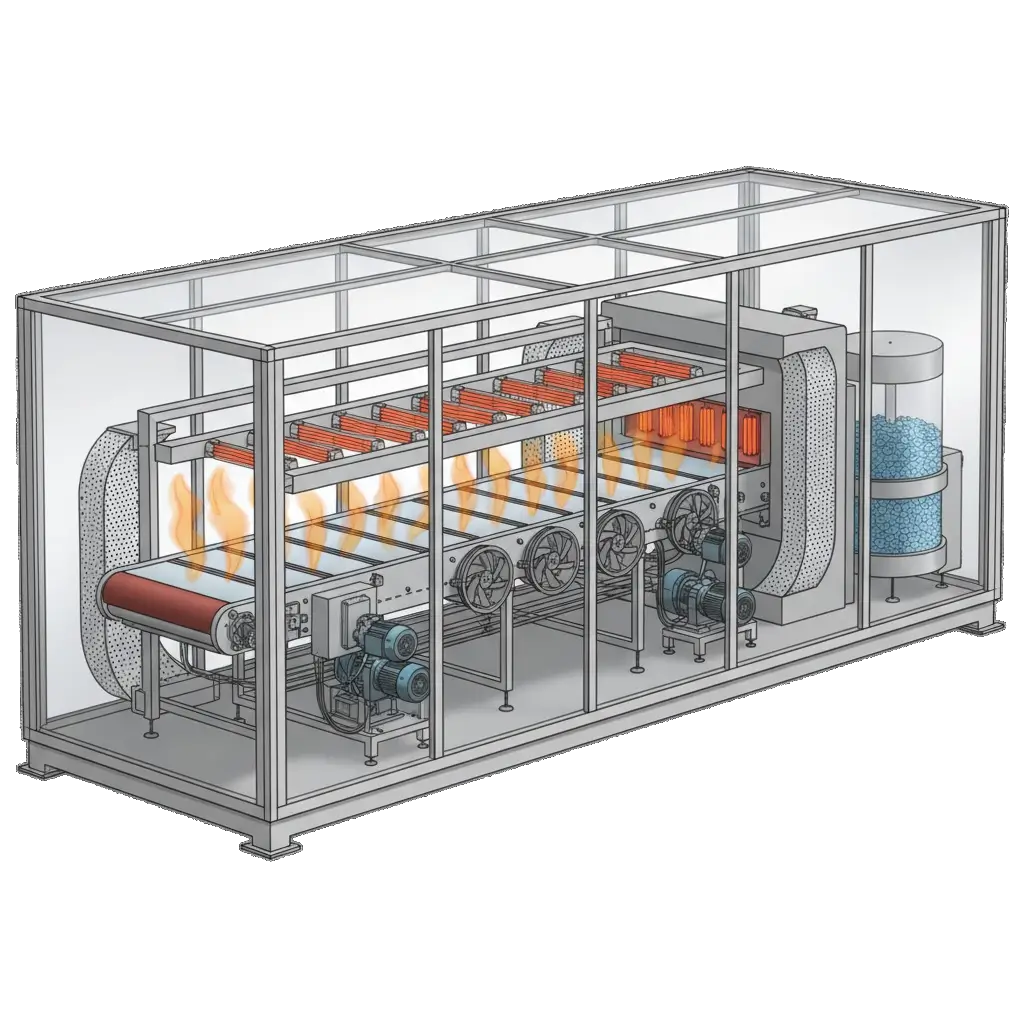
Annealing Lehrs (Flat & Container)

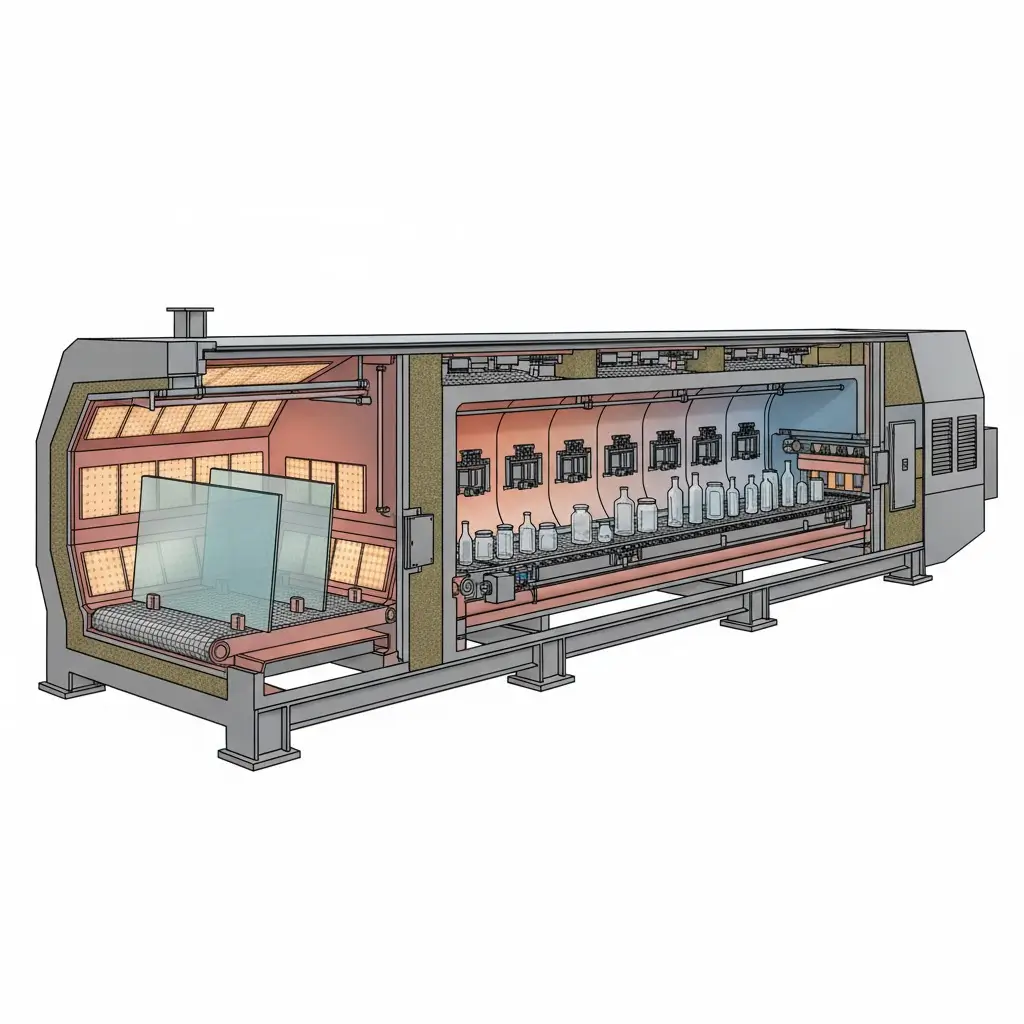
Electric annealing lehrs for flat glass, containers and tableware to relieve stresses and stabilise product.
Common pain points:
  • temperature profile
  • throughput vs soak
  • energy usage
Recommended controllers:
Annealing Lehrs (Flat & Container)

Tempering & Bending Furnaces

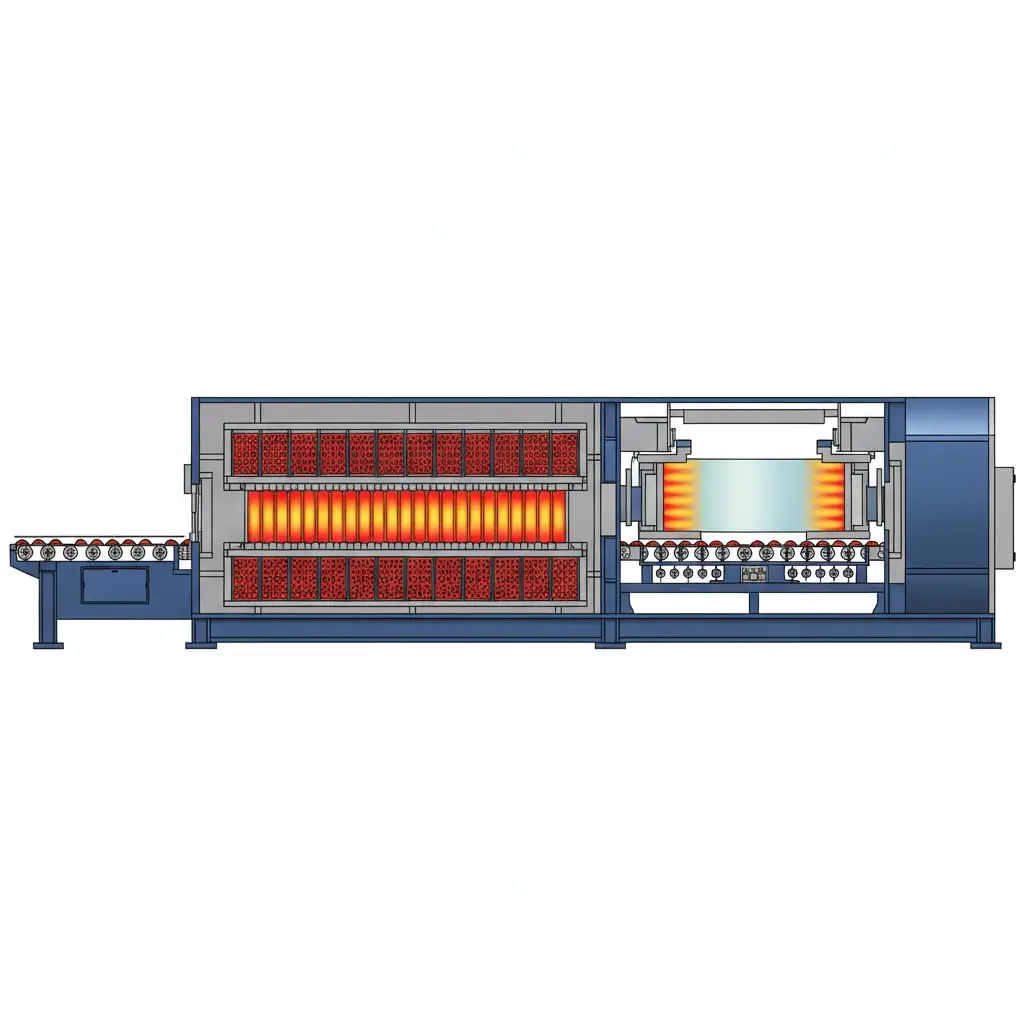
Electric tempering and bending furnaces for automotive, architectural and appliance glass.
Common pain points:
  • tight process windows
  • uniformity
  • cycle times
Recommended controllers:
Tempering & Bending Furnaces

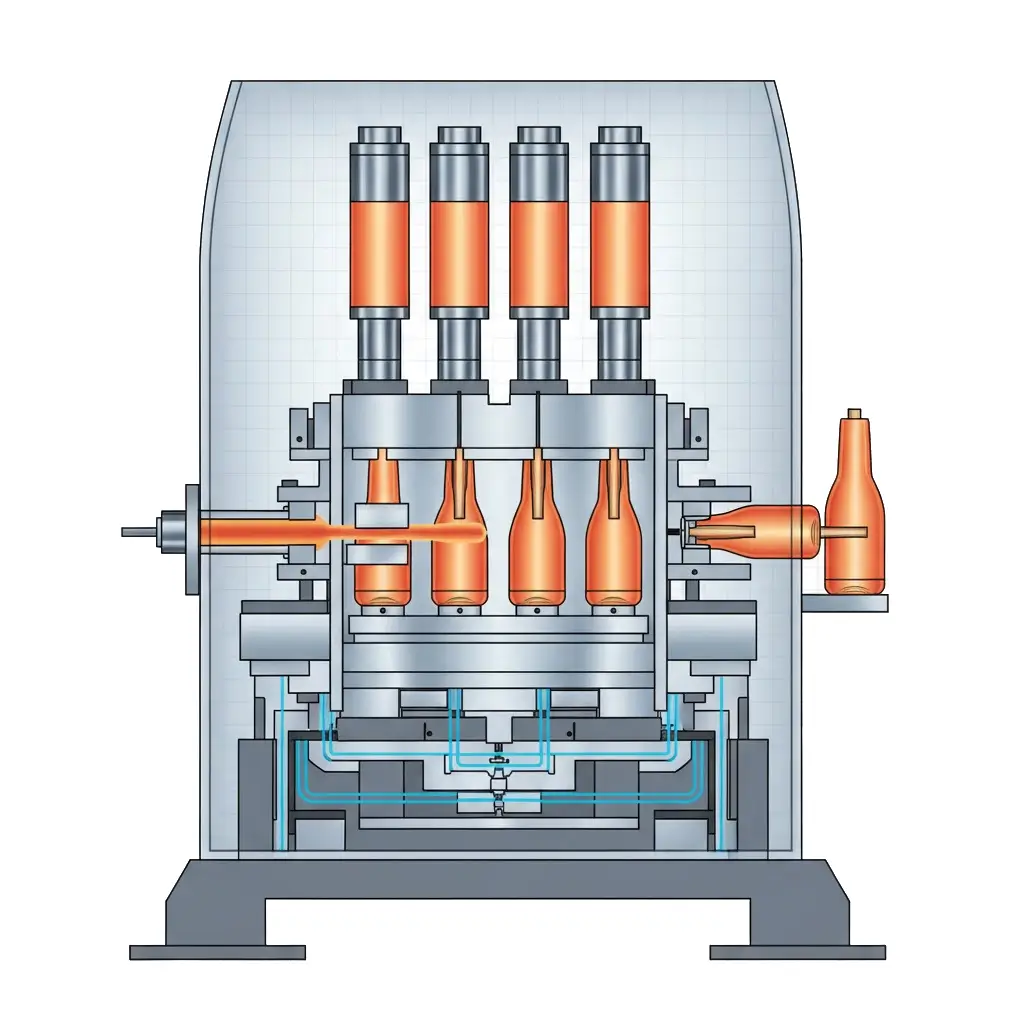
IS Mould & Plunger Heaters

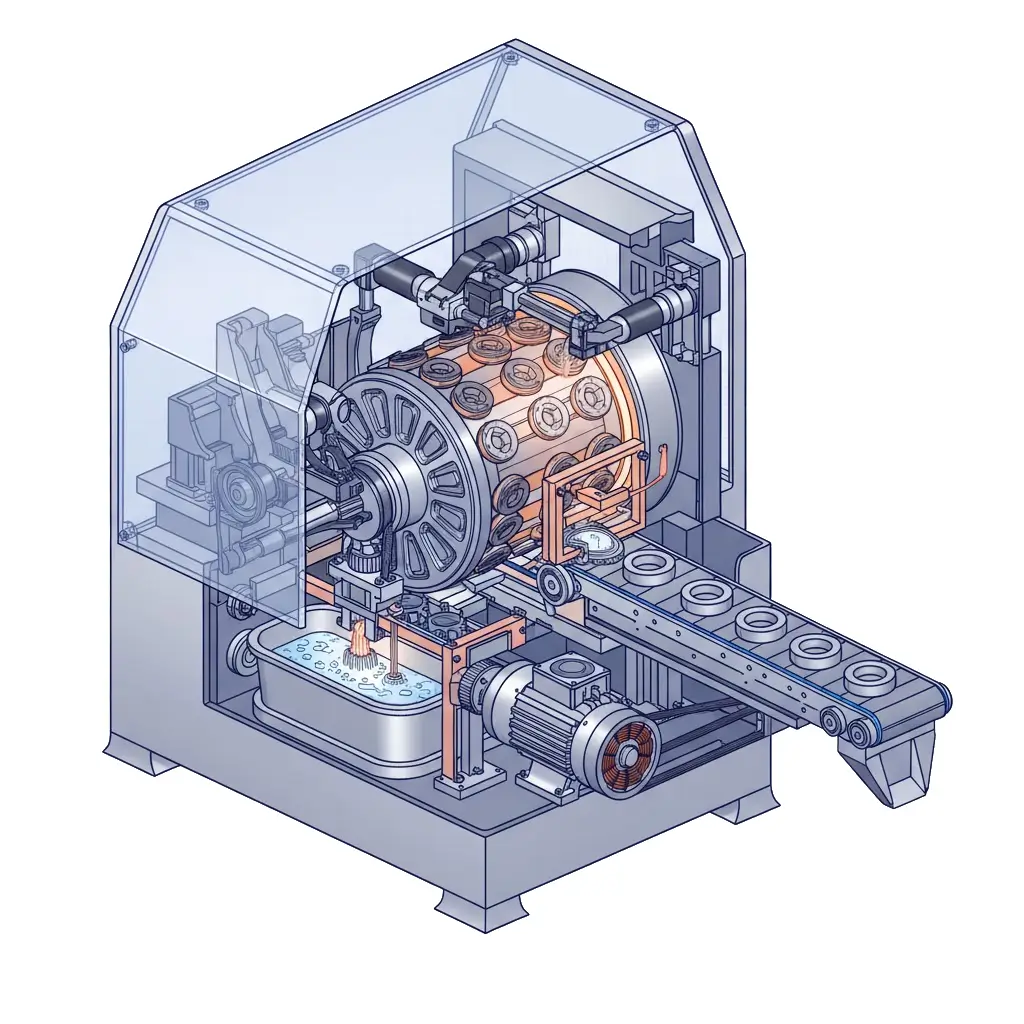
Cartridge, band and platen heaters for IS moulds, plungers and blank/finish components in container production.
Common pain points:
  • dimension & seam quality
  • start-up time
  • zone failures
Recommended controllers:
IS Mould & Plunger Heaters

Coating & Label Dryers

Infrared and hot-air dryers for glass coatings, logos, labels and organic decorations.
Common pain points:
  • adhesion & cure
  • marking/defects
  • changeovers
Recommended controllers:
Coating & Label Dryers

Typical Pain Points & How We Solve Them

  • Temperature Uniformity & Glass Quality
Glass melting, conditioning and annealing are highly sensitive to temperature gradients, which can lead to seeds, cords, distortion or breakage.
Solution: REVO C and REVO-PC-based architectures provide smooth power control and support multi-zone regulation, helping to maintain tighter temperature profiles in boosting, forehearth, bath and lehr applications.
  • Energy Use in High-Temperature Operations
Furnaces, baths, lehrs and tempering lines are major energy users in glass plants.
Solution: Appropriate firing modes, demand limiting and staggered starts via REVO-PN and REVO-PC help smooth electrical demand and can contribute to improved energy performance compared with on/off or basic SSR control.
  • Tight Process Windows in Tempering & Fibre
Tempering furnaces and glass fibre bushings operate within narrow temperature ranges to meet mechanical and optical requirements.
Solution: Using SCR control with REVO C or REVO-PC allows finer power modulation to heaters, supporting accurate temperature control and more repeatable cycles in tempering and fibre processes.
  • Pull, Throughput & Profile Control
Changes in pull rate, line speed or product mix can require adjustments in boosting, forehearth and lehr heating.
Solution: Digitally controlled power using REVO-PC with multiple REVO-S or REVO-C zones allows heating patterns to be adapted to new profiles while keeping visibility of power and current along the line.
  • Element & Circuit Failures
Heater, bushing or circuit failures can disturb profiles and cause defects or unplanned stops.
Solution: Open and partial-load detection, along with current monitoring from REVO C and REVO-PC, supports earlier identification of issues and more targeted maintenance.
  • Process Data, QA & Traceability
Flat, container and fibre glass producers increasingly need clear records of process conditions for internal and customer requirements.
Solution: When REVO controllers are connected to plant PLC, SCADA or DCS systems, power and alarm information can be logged alongside temperature and line data to support QA, optimisation and audits.

Snapshot: Float Line Tin Bath & Annealing Lehr Control Upgrade

Problem: a float glass line with contactor/SSR-controlled tin bath and annealing lehr zones was experiencing profile variation, limited pull flexibility and minimal visibility of heater performance along the line.
Solution: tin bath and lehr zones were re-controlled using REVO-PC master with REVO-C zone controllers where transformer-fed or variable resistance loads were present, and REVO-S zone controllers on purely resistive lehr sections. The line control system now exchanges setpoints, power, current and alarm data with the REVO-PC over an industrial fieldbus.
Result: improved profile stability, better support for pull changes, smoother electrical loading and clearer information for maintenance and process engineers (typical benefits achievable on similar upgrade projects).

Why CD Automation?

  • REVO solutions for boosting, forehearths, baths, lehrs and forming lines
  • REVO-PC with Modbus, Profinet, EtherCAT into PLC/SCADA/DCS
  • Firing modes for resistive, transformer-fed and variable-resistance heater loads
  • Support for OEMs, system integrators and glass plant engineering teams
  • Suitable for retrofits, expansions and new line projects

What next?...

Talk to an Engineer.

Sizing help, firing mode selection and panel integration for your line

View Our Thyristor Controllers.

Explore REVO series power controllers engineered for precision and reliability.

View Controllers

See Applications by Industry.

From plastics and food to metal and pharma - discover tailored solutions.

Browse Industries

Download Our Product Catalogue.

Get detailed specs, wiring diagrams and selection guidance. Enter your email address to receive the pdf.
Our Address
Unit 9 Harvington Business Park, Brampton Rd, Eastbourne, BN22 9BN, UK
Need Help?
We aim to reply to email enquiries within 20 minutes (during normal working hours).
Logo CDA_R_Bianco
Opening Hours
CD Automation UK Limited © Copyright 2026. All Rights Reserved.

🎉 Thank you! Your download is ready.

You can access your PDF now by clicking the link below:
Inside, you’ll discover the 5 common mistakes that can affect machine performance and how to avoid them to save time, reduce downtime, and improve product quality.