Home » Industry & Applications

Industrial Electric Heating Control Across Manufacturing Industries.

Electric heating is widely used across modern industrial manufacturing processes. From plastics extrusion and automotive paint curing to glass production, ceramics kilns and pharmaceutical sterilisation, controlled heat is essential to achieve consistent product quality and stable production performance.

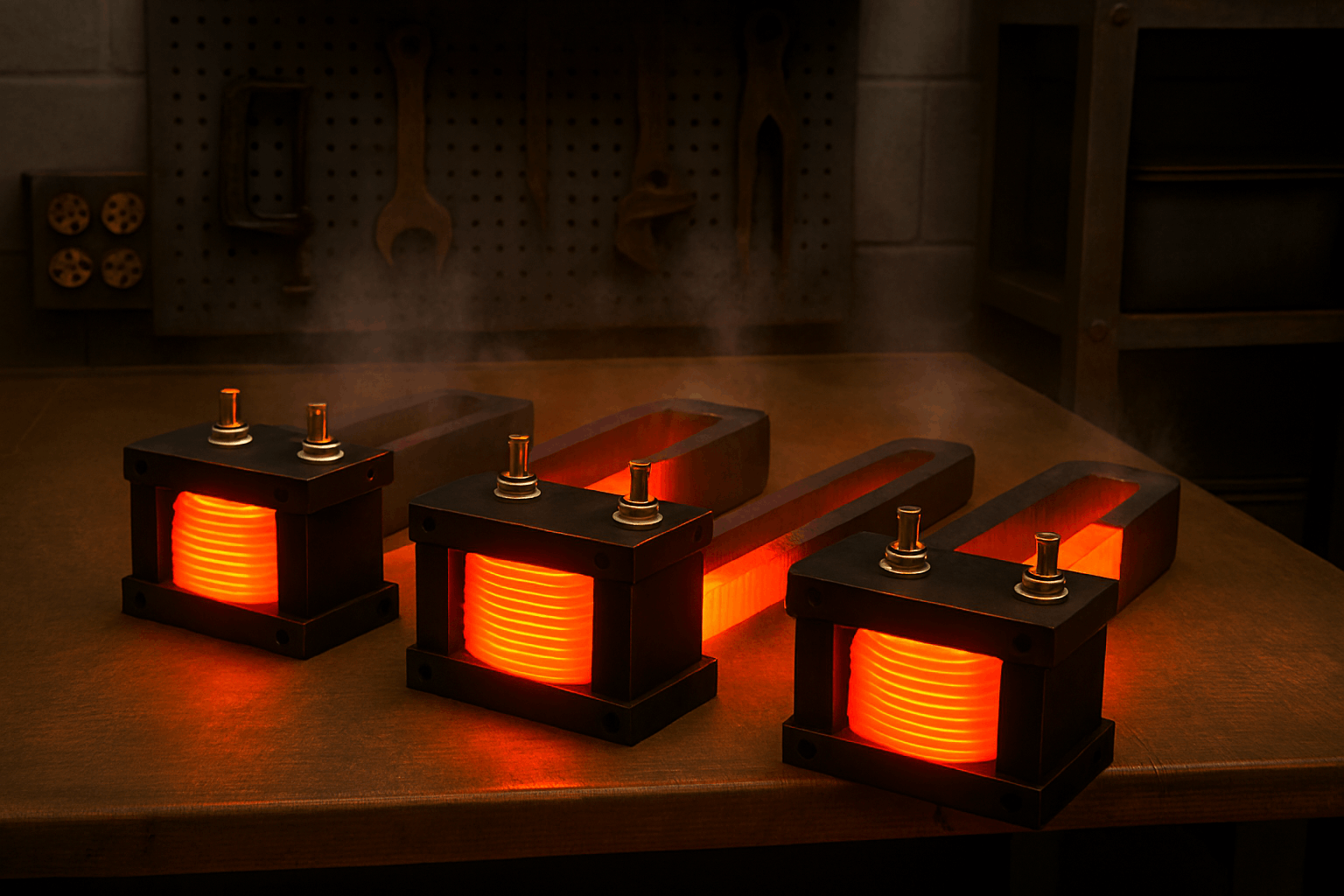
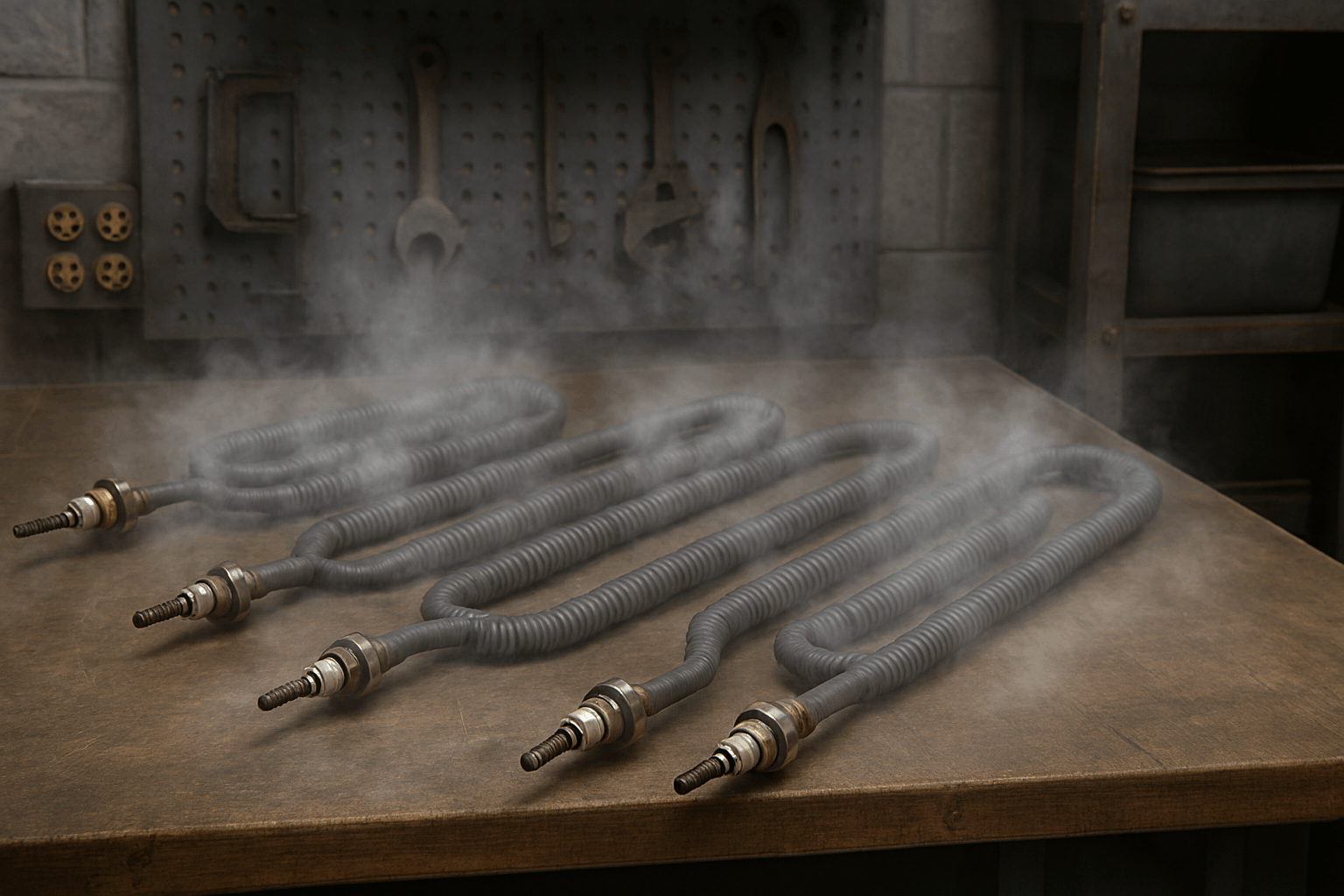
Industrial heating systems often use electrical heating elements such as:

  • resistance wire heaters
    • silicon carbide (SiC) elements
    • molybdenum disilicide (MoSi₂) elements
    • cartridge and band heaters
    • infrared heaters

To maintain stable temperatures, the electrical power delivered to these heaters must be carefully regulated.

CD Automation specialises in thyristor (SCR) power controllers, which regulate electrical power supplied to industrial heating systems. By modulating power rather than simply switching heaters on and off, these controllers help manufacturers achieve:

  • stable temperature control
  • improved heater lifespan
  • controlled start-up behaviour
  • integration with PLC and industrial automation systems

Explore how electric heating control is applied across different manufacturing industries below.

Our Address
Unit 9 Harvington Business Park, Brampton Rd, Eastbourne, BN22 9BN, UK
Need Help?
We aim to reply to email enquiries within 20 minutes (during normal working hours).
CD Automation UK Limited © Copyright 2026. All Rights Reserved.

Please send me this document

🎉 Thank you! Your download is ready.

You can access your PDF now by clicking the link below:
Inside, you’ll discover the 5 common mistakes that can affect machine performance and how to avoid them to save time, reduce downtime, and improve product quality.

🎉 Thank you! Your download is ready.

You can access your PDF now by clicking the link below:
This paper explores how integrated thyristor power and temperature
control improves heating consistency, energy efficiency, and reliability,
helping UK manufacturers reduce downtime, extend equipment lifespan,
and shift from reactive to predictive maintenance.