Home » Industry & Applications » Rubber Processing, Compounding & Curing

Rubber Processing, Compounding & Curing

CD Automation provides SCR/thyristor power control for rubber and elastomer processing, from Banbury mixer preheaters and extrusion lines to curing presses, autoclaves, continuous vulcanisation lines and post-cure ovens. REVO controllers help stabilise temperature profiles, support consistent cure and provide useful data for maintenance and energy management.

With REVO C for single zones, REVO-PN for compact multi-zone equipment and REVO-PC, or REVO-DPU zone control for larger lines and high-power systems, we integrate with OEM machinery, retrofits and plant PLC/SCADA platforms used by rubber processors and compounders.

  • Mixers & Banbury
  • Extruders & Calenders
  • Curing Presses
  • Autoclaves
  • Vulcanisation Lines
  • Post-Cure Ovens

Industry Overview - Electric Heating in Rubber & Elastomer Processing

Rubber and elastomer manufacturing uses electric heating throughout compounding, forming and curing stages.
Mixers, extruders, calendars, presses, autoclaves, continuous vulcanisation lines and post-cure ovens all rely on stable, repeatable thermal conditions to achieve target cure and mechanical properties. Intelligent SCR power control can improve temperature stability, help manage electrical demand and provide data that supports quality, maintenance and energy projects.
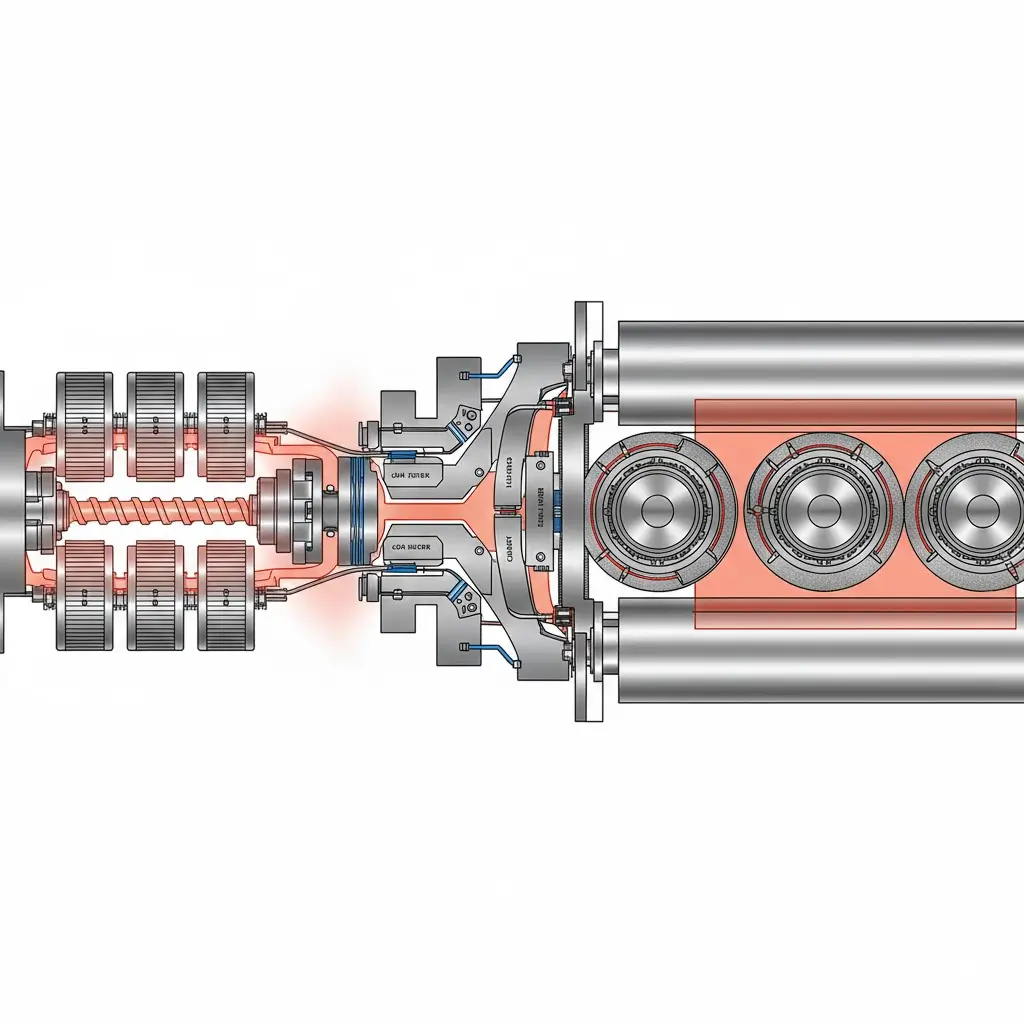
  • Mixers & Banbury preheaters
  • Extruders, heads & calender rolls
  • Curing presses & mould heating
  • Preform & batch dryers
  • Autoclaves & batch vulcanisation
  • Continuous vulcanisation lines
  • Post-cure & stress-relief ovens
  • Roll heating & liner prep systems

Process Machinery & Applications

Electrically heated rubber processing equipment commonly controlled with REVO SCR power controllers.

Mixers & Banbury Preheaters

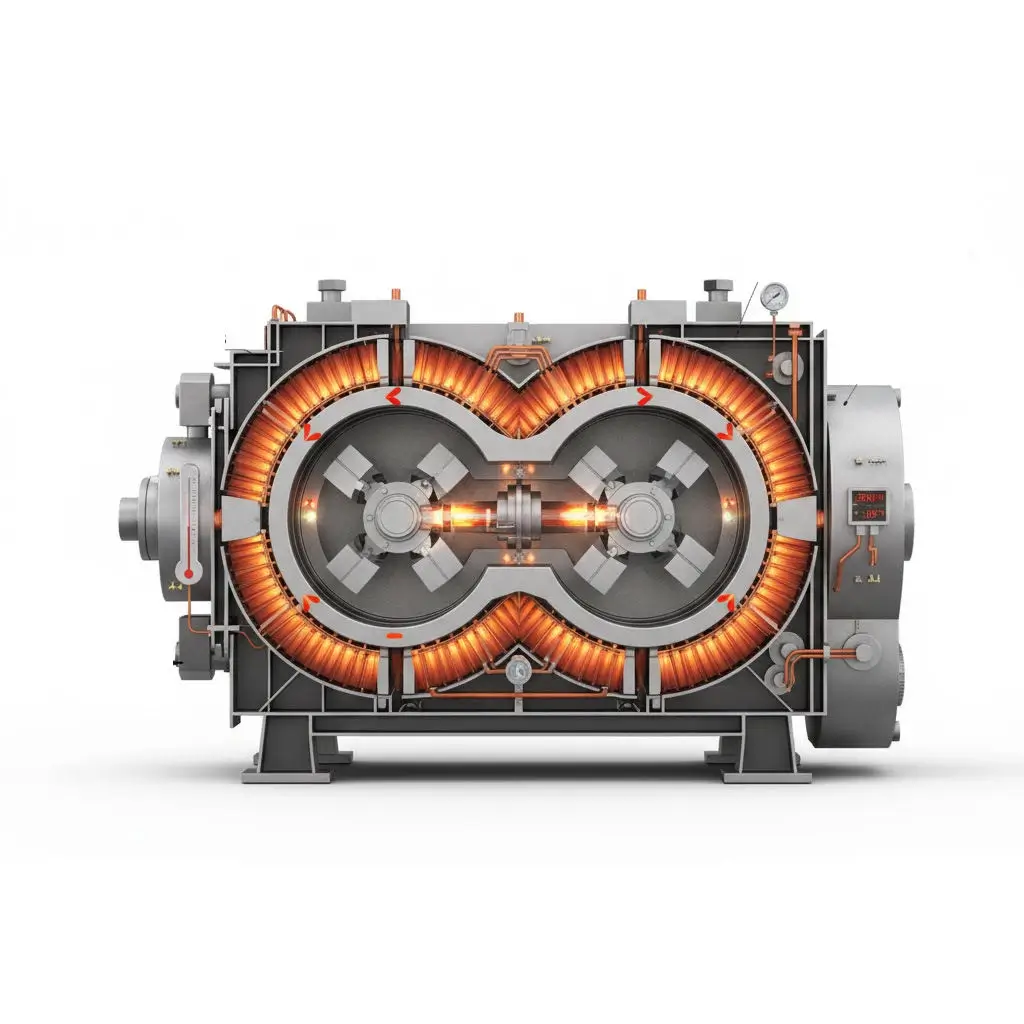
Electric barrel, rotor and chamber heaters stabilising temperature during rubber and compound mixing.
Common pain points:
  • temperature drift
  • start-up overshoot
  • compound consistency
Recommended controllers:
Mixers and Banbury Preheaters

Extruders & Calenders

Multi-zone band or cast heaters along extrusion barrels, heads and calender rolls.
Common pain points:
  • profile control
  • gauge stability
  • line speed changes
Recommended controllers:
Extruder and Calendar

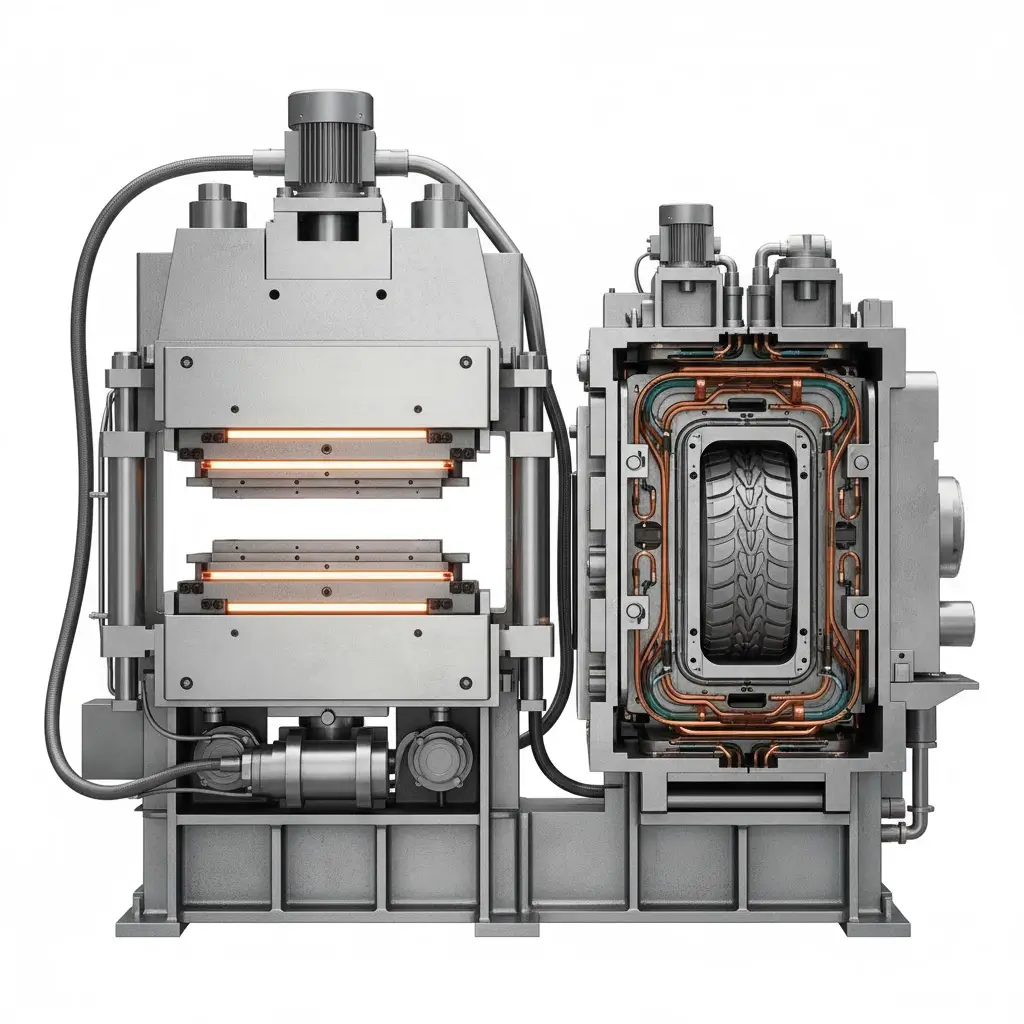
Curing Presses & Mould Heaters

Electric platen and mould heating for tyre, seal, gasket and elastomer component production.
Common pain points:
  • mould temperature balance
  • cure time
  • flash & defects
Recommended controllers:
Curing Press and Mould Heater

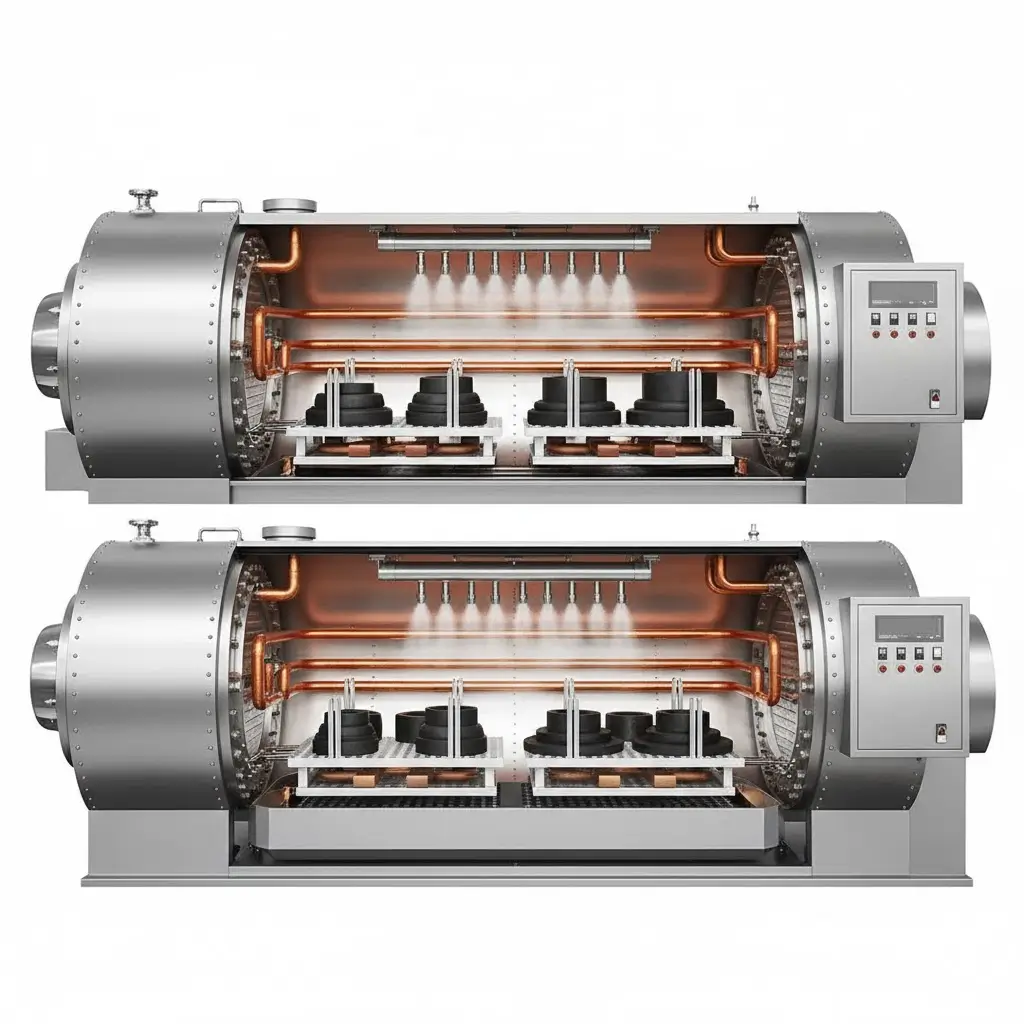
Autoclaves & Vulcanisation

Direct or indirect electric heating for pressure curing of rubber parts, hoses and assemblies.
Common pain points:
  • temperature uniformity
  • ramp/soak accuracy
  • energy demand
Recommended controllers:
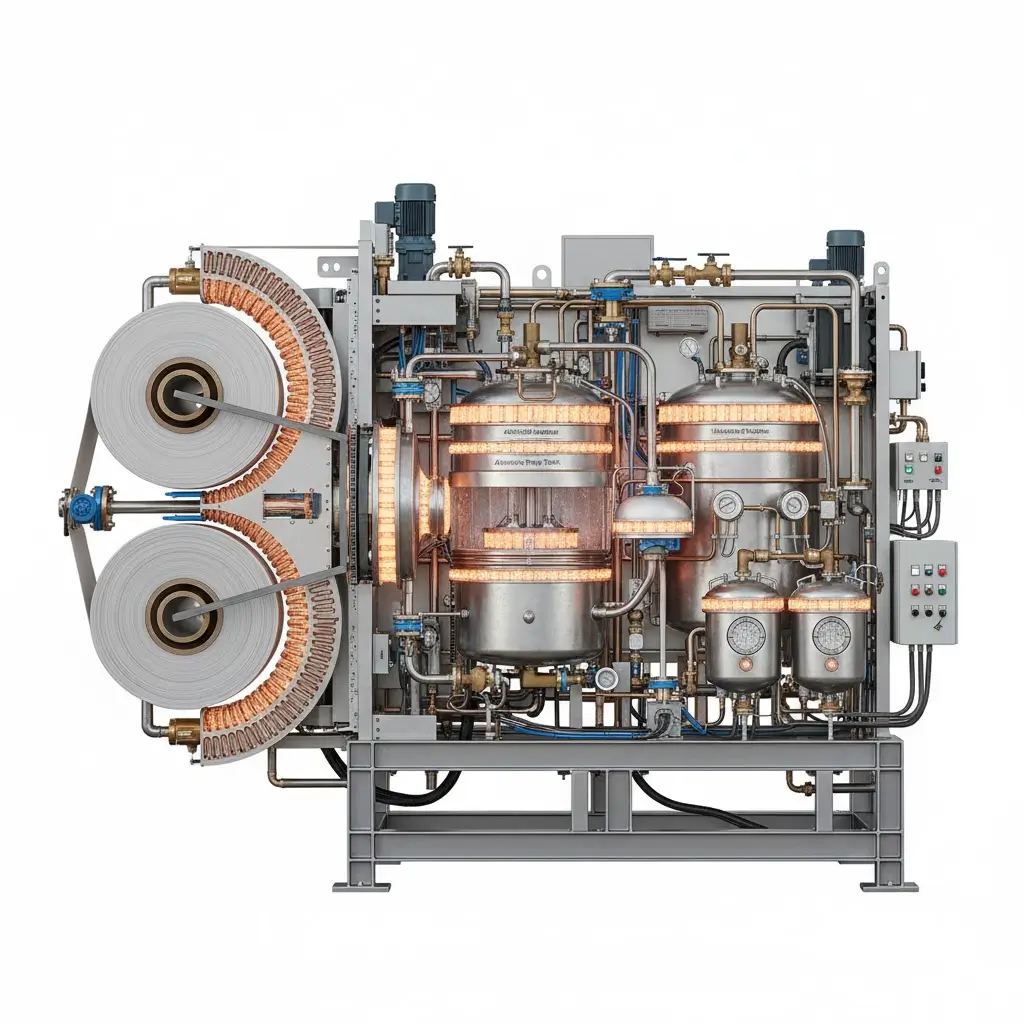
Autoclave and vulcanisation (cut off one of the machines)

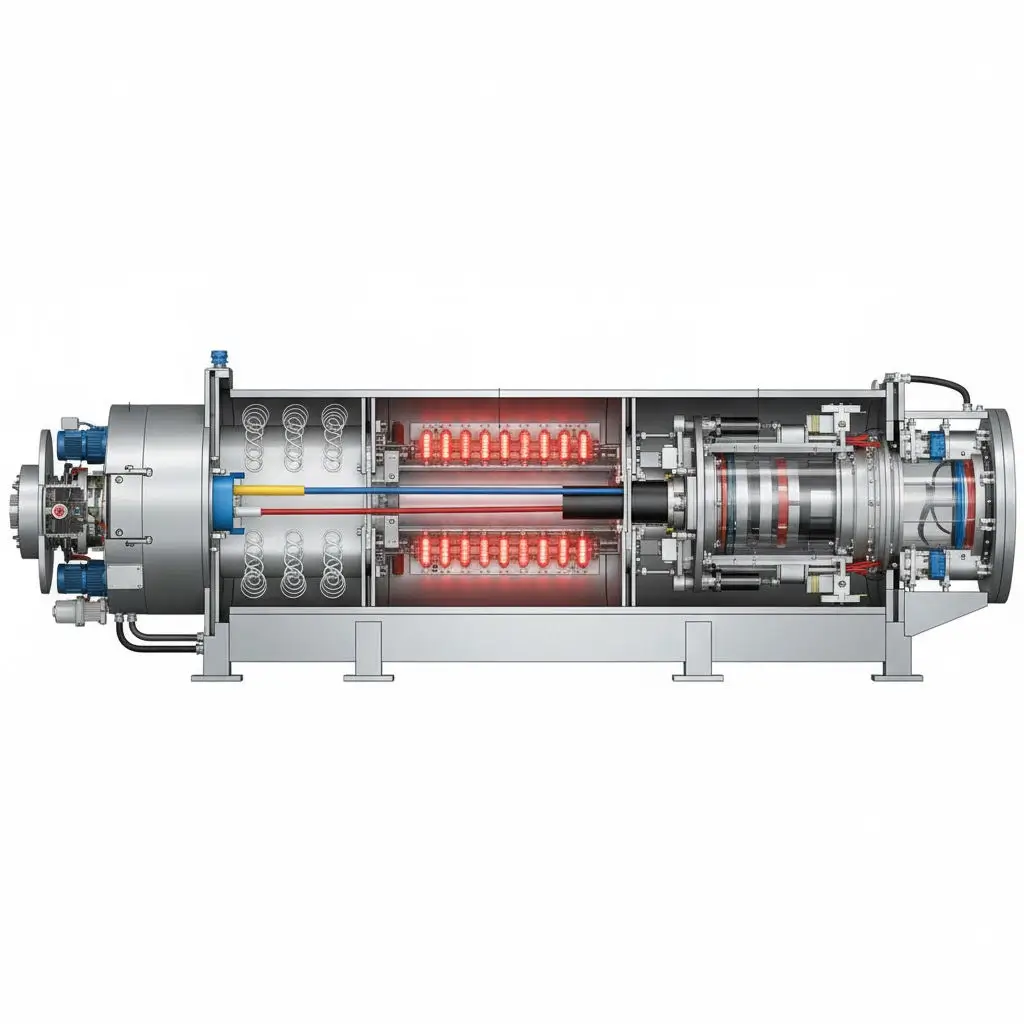
Continuous Vulcanisation Lines

Hot-air, IR or microwave-assisted sections for wire coating, tubing and rubber profiles.
Common pain points:
  • line speed synchronisation
  • temperature profile
  • energy peaks
Recommended controllers:
Continuous vulcanisation line

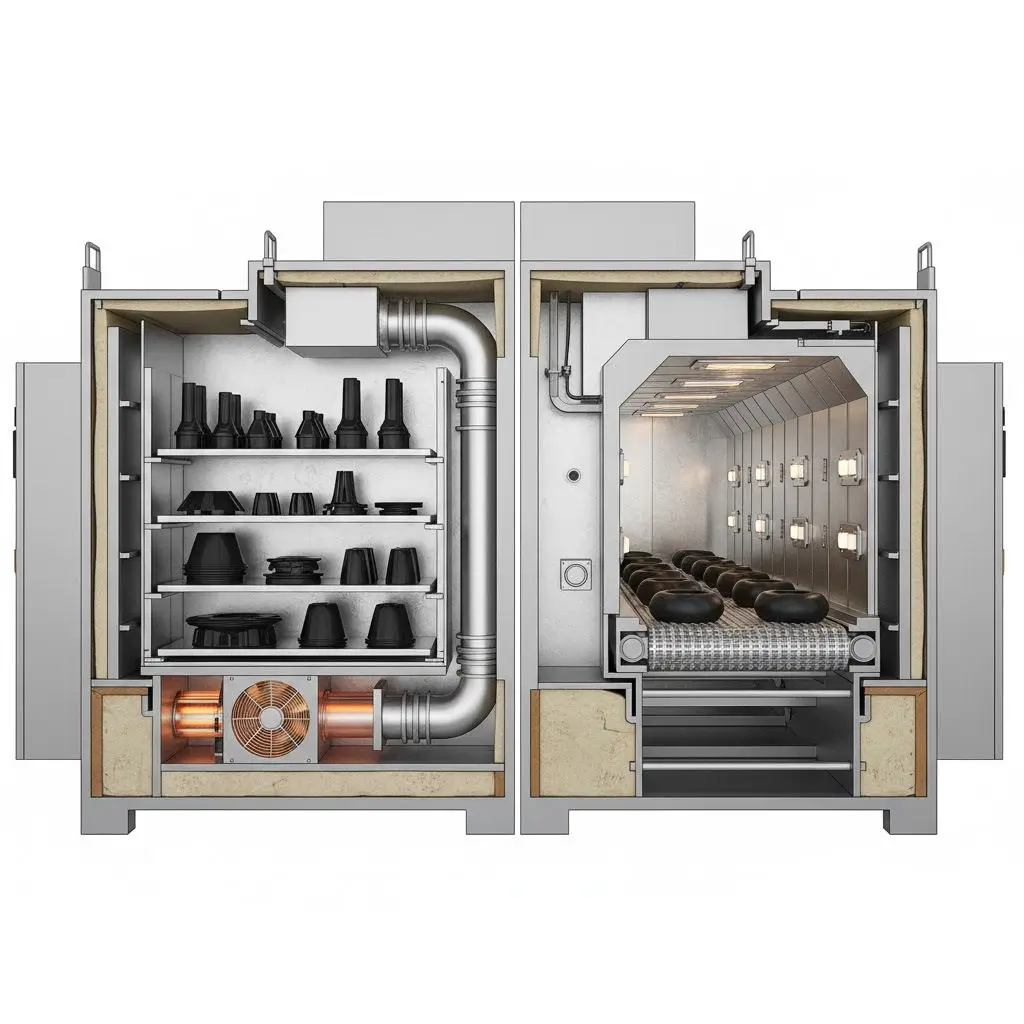
Post-Cure Ovens

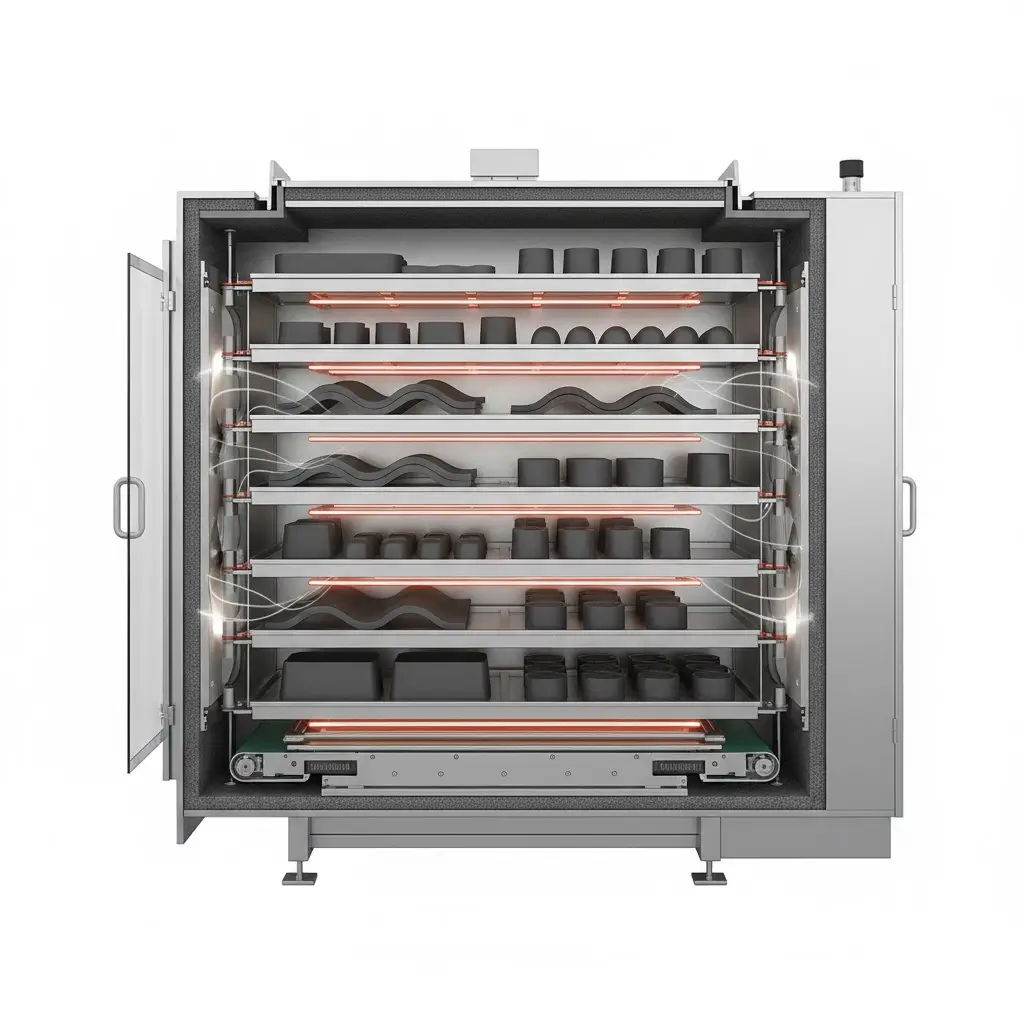
Batch or conveyor ovens for elastomer post-curing, crosslinking completion and stress relief.
Common pain points:
  • uniformity
  • cycle time
  • recipe repeatability
Recommended controllers:
Post Cure Oven

Roll Heating & Liner Preparation

Jacketed and surface heaters for rolls, tanks and adhesive preparation used in rubber and liner handling.
Common pain points:
  • surface temperature balance
  • adhesive viscosity
  • start-up time
Recommended controllers:
Roll heating and Liner preparation

Preform & Batch Dryers

Heated trays and dryers for rubber sheets, preforms and compounds prior to moulding or extrusion.
Common pain points:
  • drying uniformity
  • cracking/defects
  • energy use
Recommended controllers:
Preform and batch dryer

Typical Pain Points & How We Solve Them

  • Temperature Profile & Cure Quality
Rubber compounding and curing are sensitive to temperature deviations that affect crosslink density, mechanical properties and dimensional stability.
Solution: REVO C and REVO-PC-based architectures provide smooth power control and multi-zone regulation, helping mixers, presses, ovens and lines maintain tighter temperature profiles.
  • Start-Up, Energy Peaks & Electrification
Cold starts on mixers, extruders, presses and ovens can create high electrical peaks and long warm-up times.
Solution: Using appropriate firing modes, staged starts and, where required, demand limiting via REVO-PN and REVO-PC can smooth load application and reduce start-up demand compared with direct on/off switching.
  • Heater Failures & Unplanned Downtime
Heater and wiring issues in mixers, presses and lines can interrupt production and affect quality.
Solution: Open and partial-load detection, together with current monitoring from REVO C and REVO-PC, supports earlier fault detection and more targeted maintenance planning.
  • Line Speed & Process Synchronisation
Continuous vulcanisation, extrusion and calendering lines must coordinate heat input with line speed to maintain profile and cure.
Solution: REVO-PN and REVO-PC with multiple REVO-S or REVO-C zones can receive speed or load-related signals from PLCs, helping maintain suitable temperature profiles as throughput changes.
  • Data, Traceability & Modernisation
Rubber processors increasingly require better visibility of process conditions and energy use to support quality and improvement projects.
Solution: When REVO controllers are connected to PLC, SCADA or MES systems, power and alarm information can be logged alongside temperature and process data to support traceability and optimisation.
  • Changeovers & Recipe Flexibility
Frequent compound changes and varying cure cycles require predictable thermal response when setpoints are adjusted.
Solution: Digitally controlled SCR power through REVO C and REVO-PC allows heating behaviour to follow new setpoints more consistently, helping reduce scrap and variability during changeovers.

Snapshot: Curing Press & Post-Cure Oven Control Upgrade

Problem: a rubber moulding plant with contactor/SSR-controlled curing presses and a post-cure oven was experiencing variable mould temperatures, longer warm-up times and limited visibility of heater condition and energy use.
Solution: selected presses were upgraded using REVO-PN for multiple platen and mould circuits, while the post-cure oven zones were re-controlled with a REVO-PC master and REVO-S zone controllers. The plant PLC now exchanges setpoints and receives power, current and alarm data over an industrial fieldbus.
Result: tighter control of mould and oven temperature, reduced warm-up scrap, better visibility of heater performance and improved support for maintenance and energy monitoring (typical benefits achievable on similar upgrade projects).

Why CD Automation?

  • REVO solutions for mixers, presses, autoclaves and lines
  • REVO-PC with Modbus, Profinet, EtherCAT into PLC/SCADA
  • Firing modes suited to band heaters, elements and IR sections
  • Support for OEMs, system integrators and plant engineering teams
  • Suitable for retrofits, expansions and new rubber processing lines

What next?...

Talk to an Engineer.

Sizing help, firing mode selection and panel integration for your line

View Our Thyristor Controllers.

Explore REVO series power controllers engineered for precision and reliability.

View Controllers

See Applications by Industry.

From plastics and food to metal and pharma - discover tailored solutions.

Browse Industries

Download Our Product Catalogue.

Get detailed specs, wiring diagrams and selection guidance. Enter your email address to receive the pdf.
Our Address
Unit 9 Harvington Business Park, Brampton Rd, Eastbourne, BN22 9BN, UK
Need Help?
We aim to reply to email enquiries within 20 minutes (during normal working hours).
Logo CDA_R_Bianco
Opening Hours
CD Automation UK Limited © Copyright 2026. All Rights Reserved.

🎉 Thank you! Your download is ready.

You can access your PDF now by clicking the link below:
Inside, you’ll discover the 5 common mistakes that can affect machine performance and how to avoid them to save time, reduce downtime, and improve product quality.