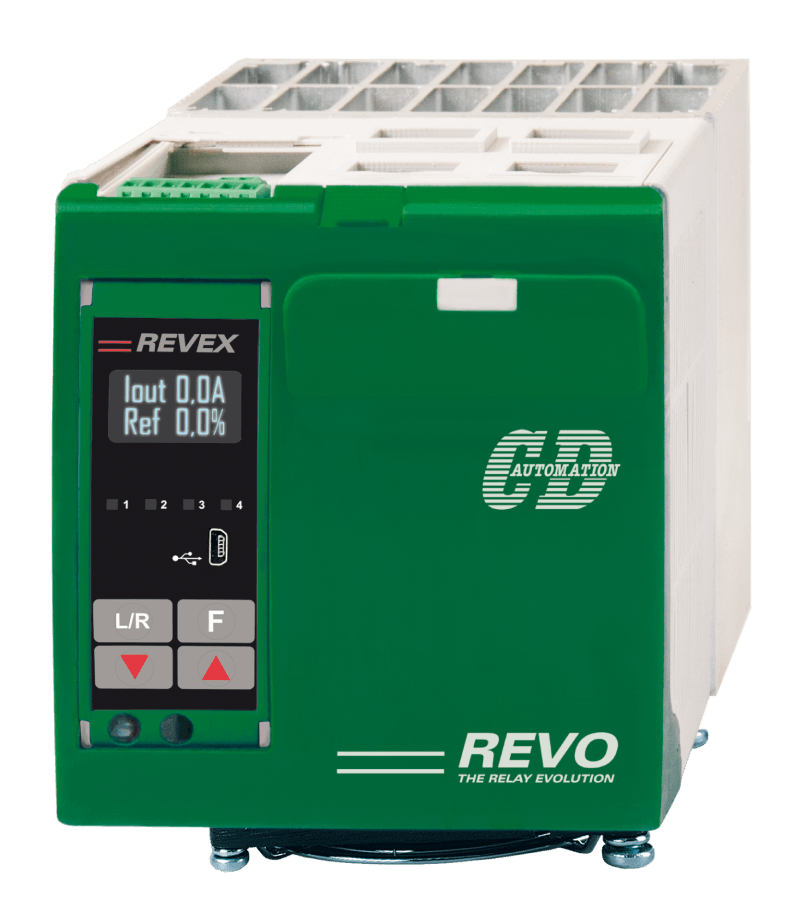
Thyristor controllers regulate electrical output by switching AC voltage on and off at high speeds. They primarily utilize two control methods:
Phase Angle Control: Varies the conduction angle of the AC sine wave to provide continuous, smooth power adjustment. Ideal for inductive loads and fast-responding heating elements.
Burst Fire Control (Zero-Cross): Switches full AC cycles on and off in packets. This method minimizes Radio Frequency Interference (RFI) and is best suited for standard resistive heating elements.
For breakdown situations or urgent project deadlines, most CD Automation thyristor controllers can normally be supplied within 3–5 working days when required.
Send us your current rating, voltage, load type and control signal, and we’ll confirm the correct controller and delivery date with your quotation.
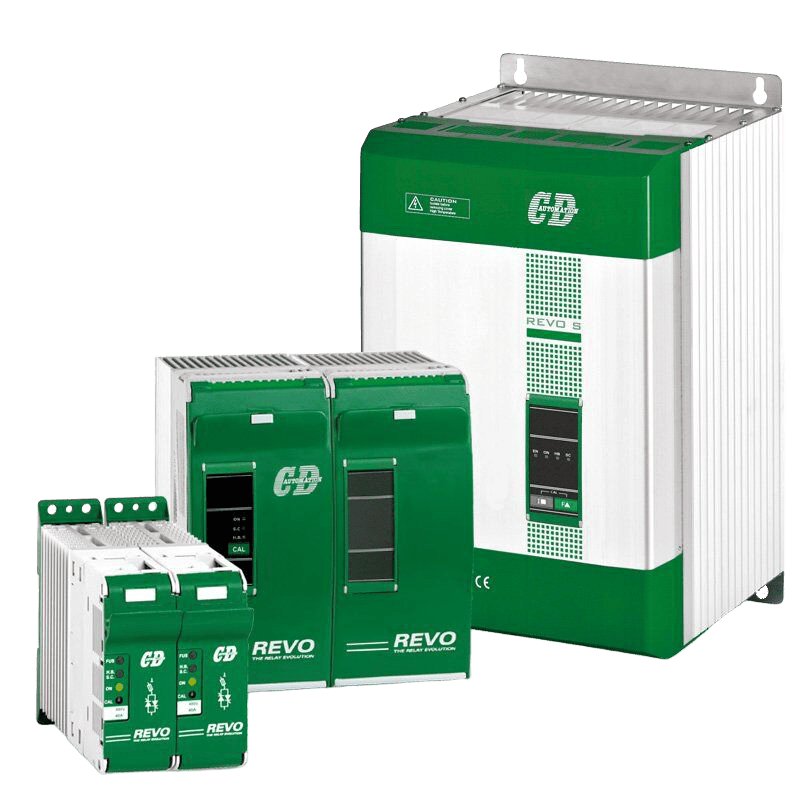

START WITH YOUR APPLICATION
Not sure where to start? You don't need to know which controller you need, tell us about the electrical load and we'll recommend the appropriate solution.
A few details help identify the right control approach. Use this guide to prepare your requirements for our engineering team.
You don’t need a complete specification to get in touch.
Click to view obsolete products and their replacements.
Application guidance only. This does not validate a specific model or configuration.
SPECIFY WITH CONFIDENCE
A thyristor power controller regulates electrical power in response to a signal from your temperature controller or PLC. The right specification depends on how the heater behaves, as well as the power it needs.
This is particularly important with transformer-fed heaters, infrared lamps, SiC and MoSi₂ elements, where selecting only by current can result in poor control or premature component failure.
A power controller regulates electrical power to the heater. A temperature controller compares a sensor reading with the setpoint and determines the heating output required. These functions often sit in separate devices, although some systems combine them.
Often, but it is not always a direct substitution. Supply, load, control signal, cooling and protection must be checked. Solid-state controllers do not provide mechanical isolation; suitable isolation and independent protective measures remain necessary.
Better control may reduce overshoot, unnecessary heating or production waste where these are present. Coordinated multizone control may reduce simultaneous demand. Savings depend on the process, existing system and tariff, switching technology alone does not guarantee lower energy consumption.
Start with your supply voltage, heater power or current, load type and control signal. For a replacement, send the model code and a photograph of the rating label. A drawing or heater specification is also useful.
Most CD Automation thyristor controllers can normally be supplied within 3–5 working days if urgent. Send us the current rating, supply voltage, load type and control signal and we’ll confirm the appropriate controller and delivery date with your quotation.
Yes. Send us the manufacturer, model number and rating of the existing controller, ideally with a photograph of the rating label. We’ll review the supply, current, load type, control signal and firing requirements and recommend a suitable replacement.
These loads can require different firing, soft-start, current limiting and feedback strategies from conventional normal resistive heaters. Our UK engineering team can review the application and recommend the appropriate controller and control method rather than selecting on current rating alone.

What happens next?
This isn't an automated product-selection tool.
One of our team will look at the information you've provided and review the application from an engineering point of view.
We may come back with a few questions, but we'll normally be looking at things such as:
No lengthy specification needed.
Just give us enough information to get the conversation started.
Prefer to talk?
Call us on 01323 811100
CD Automation UK
Industrial power control. Backed by people who understand the application.
